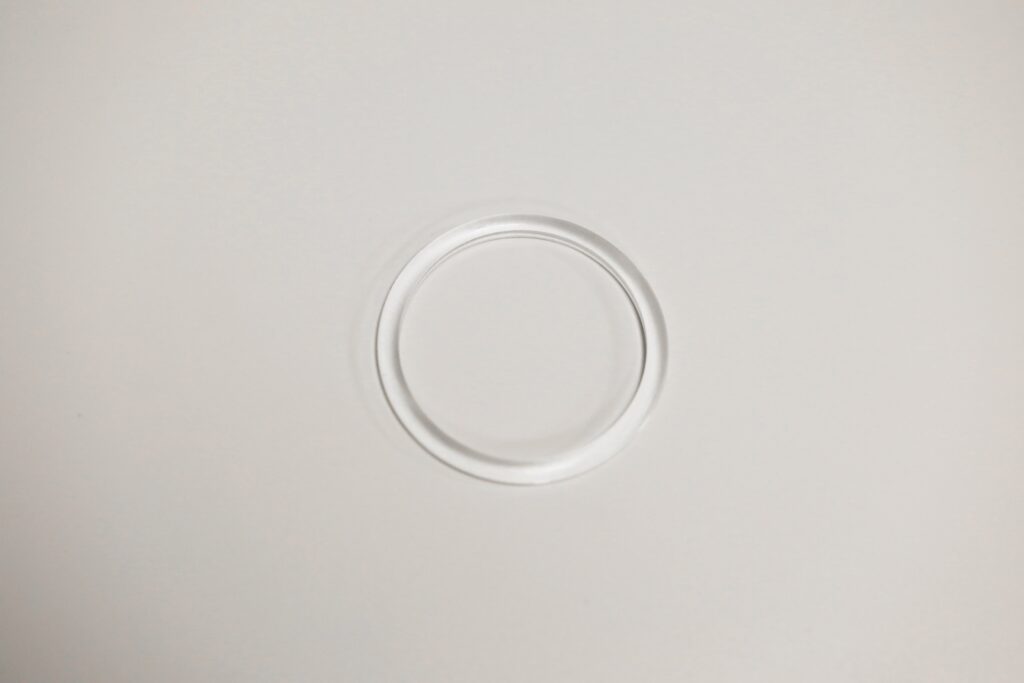
In the field of precision industrial manufacturing, O-rings serve as the most fundamental yet critical sealing components, and their performance is directly tied to the safety, efficiency, and service life of the entire equipment or system. Among a wide range of materials, liquid silicone rubber (LSR) has emerged as the top choice for high-end industries such as medical care, food processing, automotive, and baby products, thanks to its outstanding physical and chemical properties. This article will delve into the advantages of the sealing performance of liquid silicone rubber (LSR) O-rings, and focus on analyzing how material aging tests provide a scientific basis for their long-term reliability.
一、Sealing Performance Advantages of Liquid Silicone Rubber (LSR) O-Rings
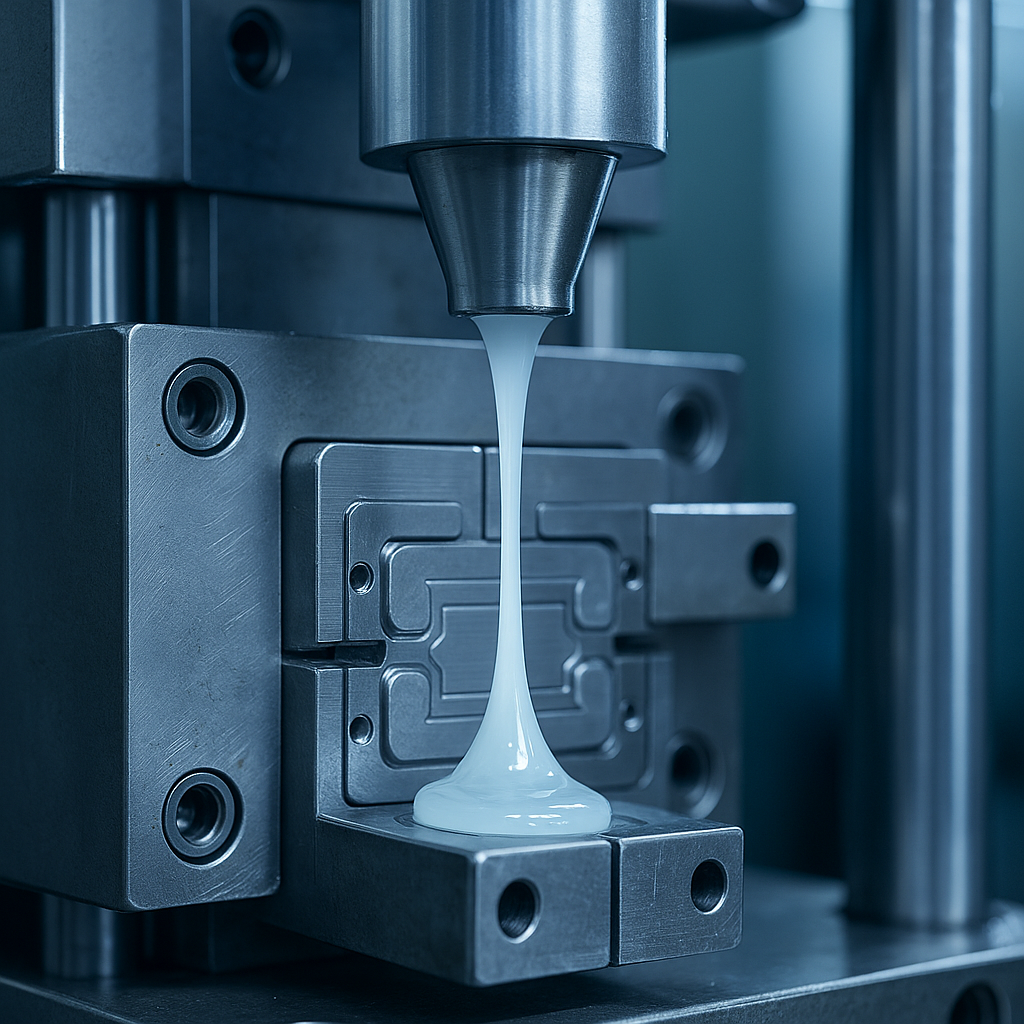
Compared with traditional solid high-temperature vulcanized (HTV) silicone rubber, the injection molding process of liquid silicone rubber (LSR) and the material itself endow O-rings with unparalleled performance advantages, which collectively form their excellent sealing capabilities.
1、High Purity and Biocompatibility
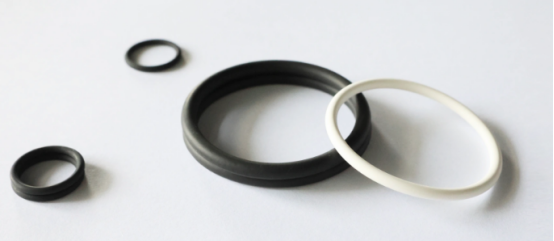
The raw material of Liquid Silicone Rubber (LSR) is in a liquid state and undergoes injection molding in a closed system, which greatly reduces the introduction of dust, impurities, and microorganisms during the production process. This enables LSR O-rings to easily meet stringent certifications such as USP Class VI and FDA 21 CFR 175.300, making them an inevitable choice for fields with extremely high hygiene requirements, including medical care, food, and pharmaceutical packaging.
2、Excellent Thermal Stability and Low-Temperature Resistance
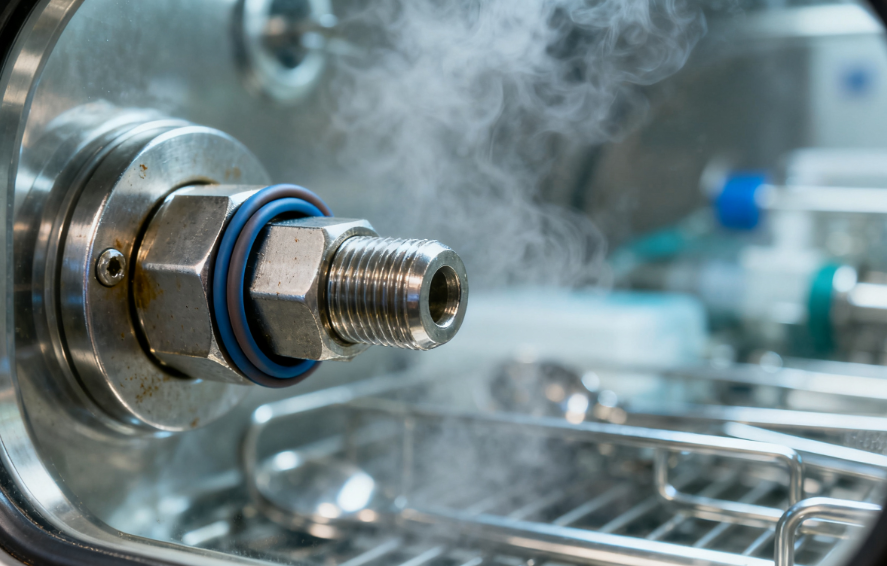
Liquid silicone rubber (LSR) O-rings can maintain elasticity and sealing performance for a long time within a wide temperature range of -50°C to +200°C, and can even withstand higher temperatures for short periods. This characteristic ensures that they will not fail due to embrittlement or excessive softening in harsh cold environments, high-temperature disinfection (such as autoclaves) or high-low temperature cycling working conditions.
3、Excellent Resilience and Low Compression Set
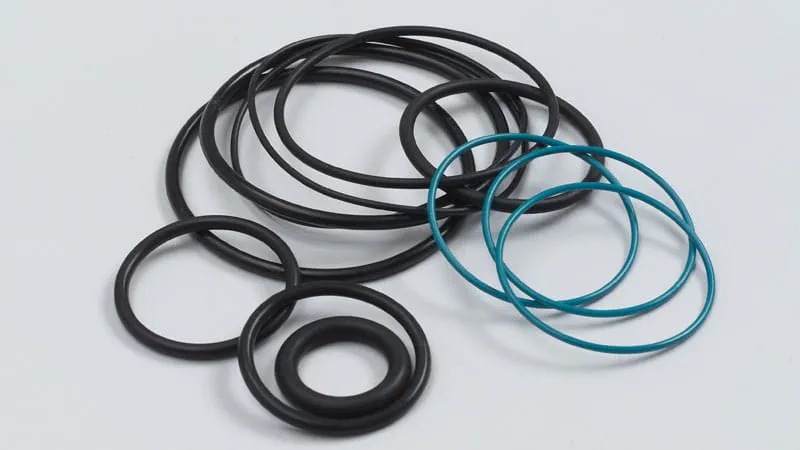
Compression set is a core indicator for measuring whether a sealing ring can recover its original shape and maintain sealing force after long-term compression. The liquid silicone rubber (LSR) features a uniform molecular structure and high cross-linking density, which endows it with an extremely low compression set rate. This means that in long-term static sealing applications, LSR O-rings can continuously provide stable and durable sealing contact pressure, effectively preventing leakage.
4、Excellent Weather Resistance and Chemical Inertness
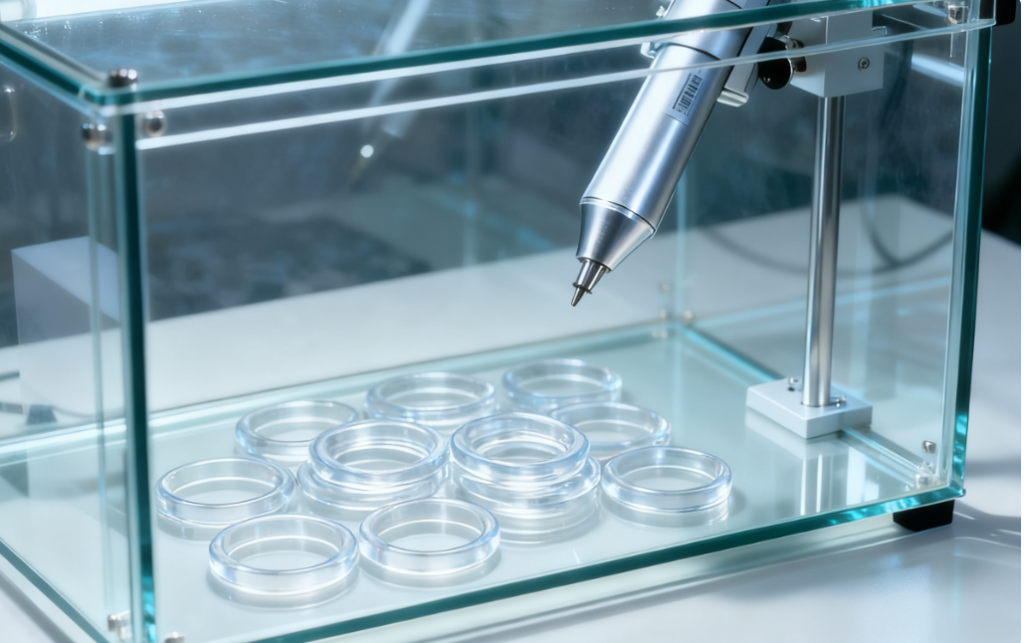
LSR exhibits strong resistance to environmental factors such as ultraviolet (UV) radiation, ozone, and radiation, and is not prone to aging. Meanwhile, it exhibits good resistance to a variety of polar chemicals (such as alcohols, weak acids, and weak bases), making it particularly suitable for scenarios where it comes into contact with various cleaning agents and disinfectants.
二、Material Aging Testing:
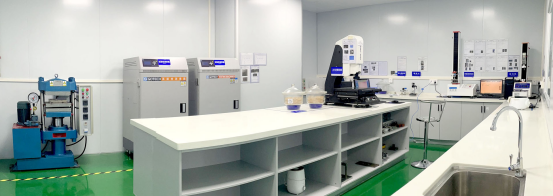
Evaluation and Prediction of Product Lifespan
Even with such outstanding performance, no polymer material can completely avoid aging during long-term use. Material aging testing scientifically evaluates and predicts the service life and performance degradation patterns of liquid silicone rubber (LSR) O-rings by simulating or accelerating real-world service conditions, providing critical data for product selection and risk management.
Analysis of Core Aging Test Items:
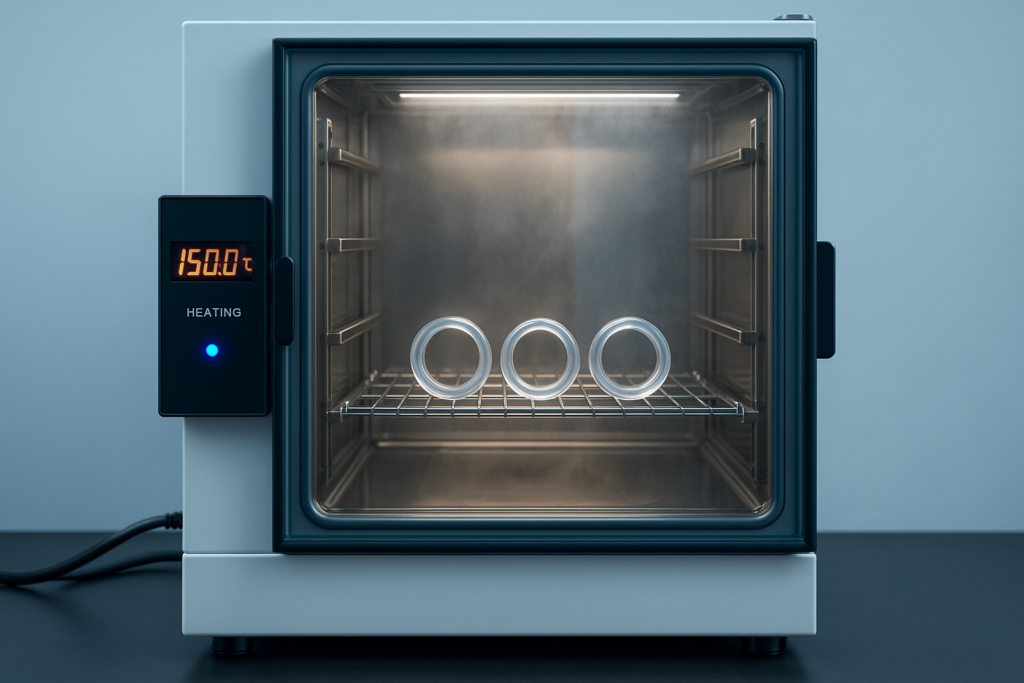
1、Hot Air Aging Test
Purpose: To evaluate the long-term thermal stability of materials in high-temperature environments.
Method: Place the O-rings in an oven at a temperature higher than the rated service temperature (e.g., 225°C, 250°C) and maintain this condition for a continuous period (e.g., 70 hours, 168 hours).
Key Indicators: Changes in hardness, tensile strength, and elongation at break before and after the test. A higher performance retention rate indicates better thermal aging resistance of the material. This is the most direct method to predict its service life under high-temperature operating conditions.
2、Compression Set Test
Purpose: To directly quantify the loss of elastic recovery capability of sealing rings after long-term compression, which is the main cause of sealing failure.
Method: Compress the O-rings to a specified ratio (e.g., 25%), maintain this compressed state under specific temperature and time conditions (e.g., 150°C × 22 hours), then release the compression and measure the thickness recovery.
Key Indicators: Compression set rate. The lower this value, the stronger the material’s elastic recovery capability and the longer the sealing lifespan. High-quality LSR O-rings can control this value at an extremely low level.
3、Liquid Resistance Test (Fluid Compatibility Test)
Purpose: To verify whether the performance of O-rings remains stable after coming into contact with specific liquid media.
Method: Immerse the O-rings in designated liquids (e.g., engine oil, cleaning agents, chemical solutions), and maintain them at a set temperature for a certain period of time.
Key Indicators: Measure the volume change rate, hardness change, and tensile property changes of the O-rings after immersion. Moderate volume expansion (usually controlled within ±10%) is sometimes beneficial for sealing; however, excessive expansion or contraction, as well as a significant decrease in strength, all indicate that the material is not suitable.
4、Ozone Aging Resistance Test
Purpose: To evaluate the aging resistance of materials in an ozone environment, which is crucial for seals used in outdoor or industrial settings.
Method: Continuously expose the O-rings to a specified ozone concentration and temperature, typically while they are in a stretched state.
Key Indicators: Observe whether cracks appear on the surface. High-quality LSR O-rings should be free of any cracks.
三、How to Interpret Test Data and Guide Application Selection
For professional clients, understanding test reports is more important than understanding the tests themselves.
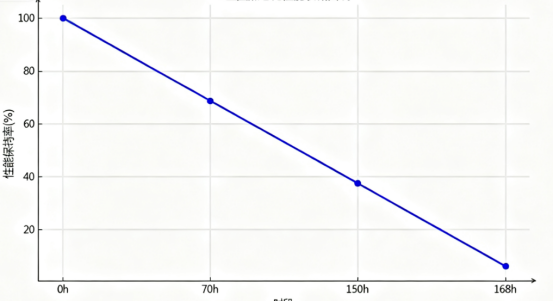
1、Focus on the rate of change rather than a single value: An O-ring with an initial hardness of 50 degrees becomes 55 degrees after aging (a change of +5 degrees), resulting in a performance change rate of 10%. This rate of change better reflects the material’s stability than the initial hardness value.
2、Establish a performance degradation curve:By sampling and testing at different time points, a curve showing how performance (e.g., tensile strength) changes over time can be plotted. This enables a more scientific prediction of the product’s service life under specific conditions.
3、Simulate actual operating conditions:The most effective test is to simulate the real application environment as much as possible. If your O-rings need to come into contact with a specific disinfectant at high temperatures, you should request a combined aging test under these conditions.
Conclusion
Liquid silicone rubber (LSR) O-rings, with their excellent comprehensive performance, provide reliable solutions for high-end sealing applications. However, “reliability” is not an abstract concept; it is built on systematic and scientific material aging tests.
Through rigorous data analysis, we not only verify material properties but also predict their long-term performance under complex operating conditions. This enables us to help you select the most suitable and cost-effective sealing solution, while avoiding equipment failures and safety risks caused by premature aging.
Choosing Jutai means you are selecting not only high-quality liquid silicone rubber (LSR) O-rings, but also a reliability assurance system based on data and science. We are ready to safeguard your products with our professional technology and services.